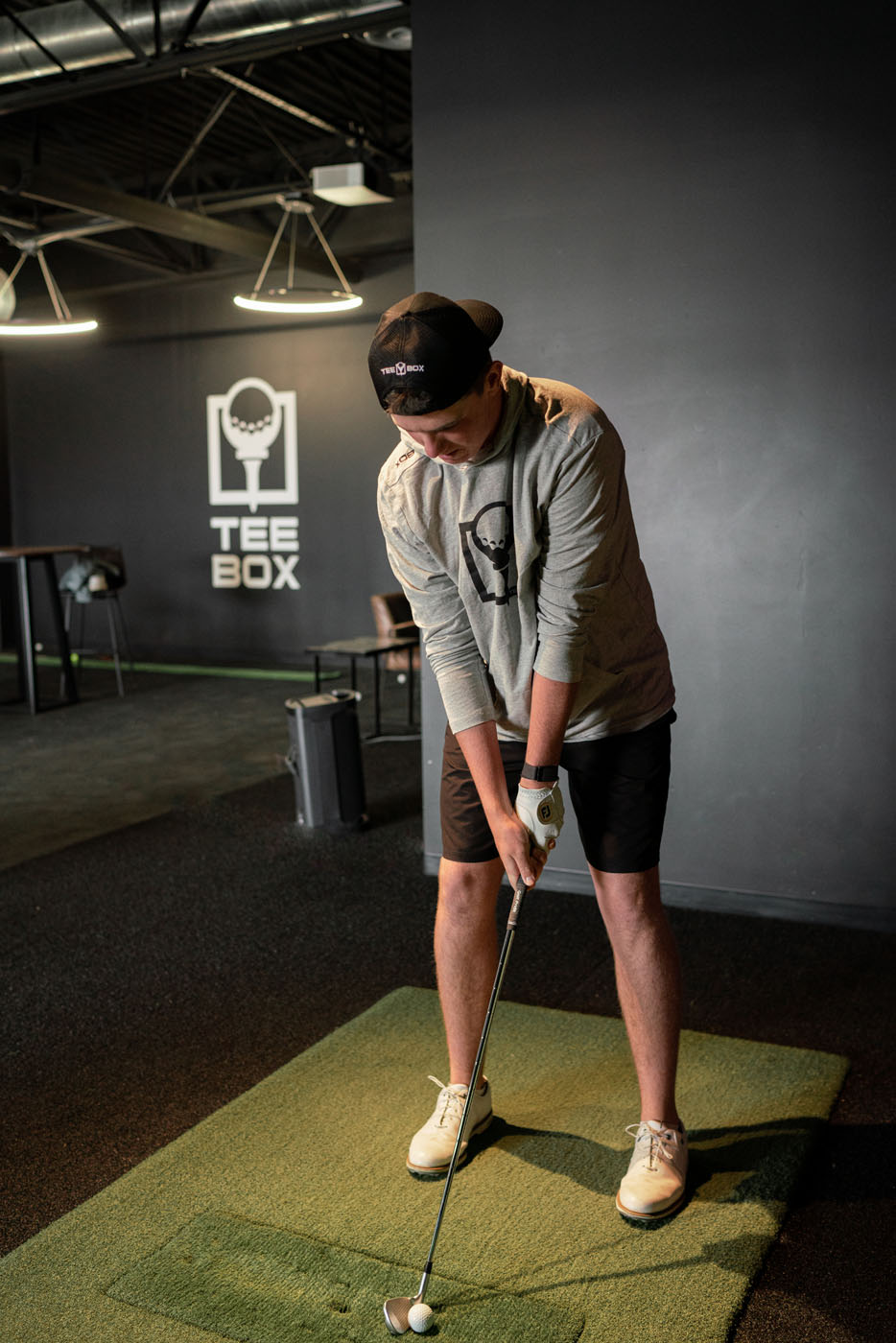

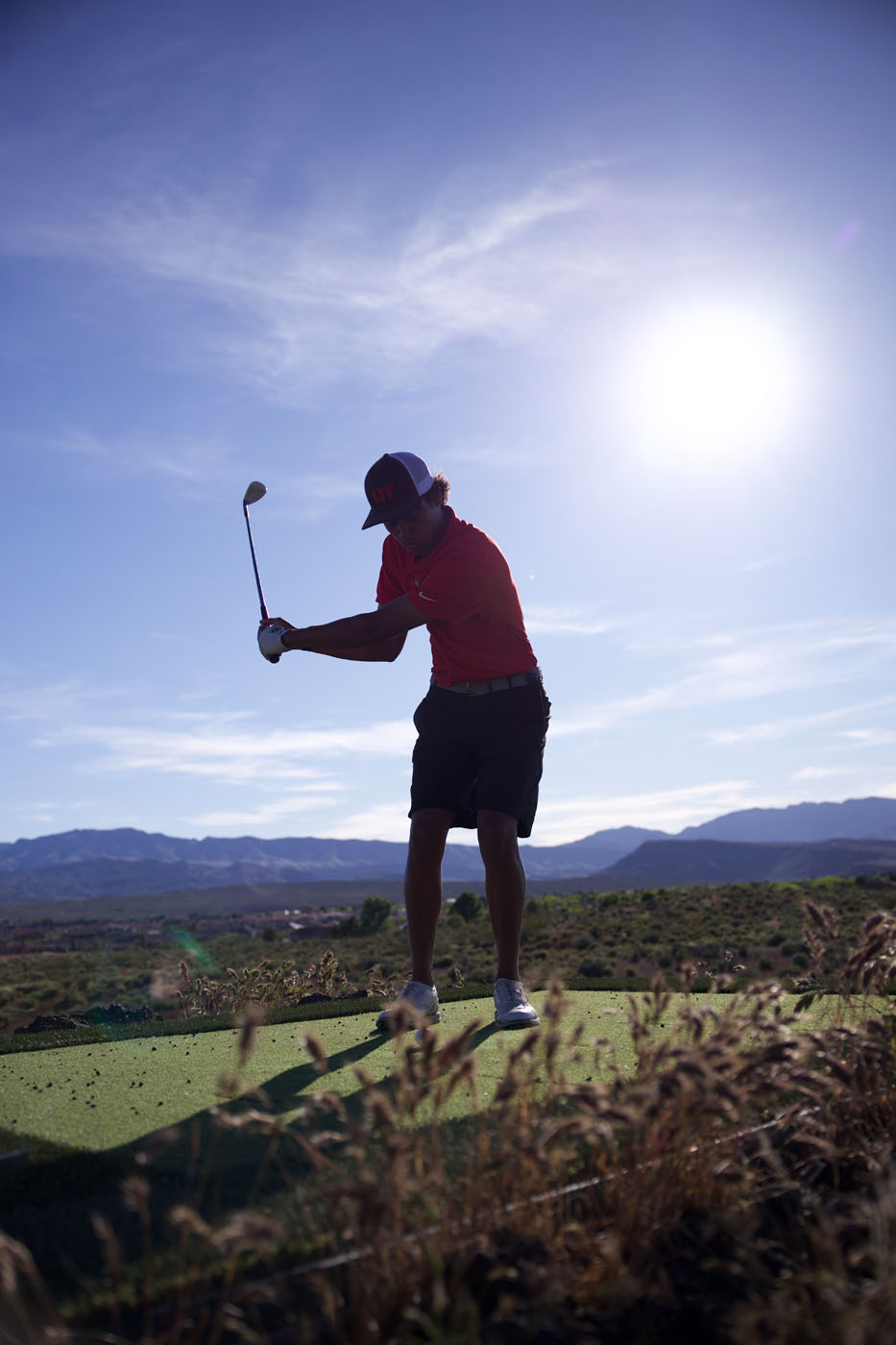
Golfer’s Elbow, known medically as medial epicondylitis, is a common overuse injury that affects not only golfers but also athletes and individuals engaged in repetitive gripping and wrist flexion activities.
Here we’ll cover what causes Golfer’s Elbow, its impact on the body, and how it differs from its counterpart, Tennis Elbow. Moreover, we’ll explore the various treatments available for managing this condition, and what strength training you can do to prevent it.
Golfer’s Elbow is primarily caused by the repetitive stress placed on the tendons and muscles on the inner side of the elbow. The primary culprits include:
Risk factors for developing Golfer’s Elbow include age (common in those aged 40 and older), participation in specific sports, and using equipment that doesn’t fit or is improperly adjusted.
Golfer’s Elbow can manifest through several symptoms, primarily centered around the forearm and wrist. Common effects include:
The condition can interfere with various aspects of daily life, affecting not only your golf game but also work and recreational sports.
It’s important to differentiate between Golfer’s Elbow and Tennis Elbow as they share similarities but affect different tendons and arm movements:
Both conditions are forms of tendonitis, but the affected areas and triggering arm movements are distinct.
Several treatment options are available for managing Golfer’s Elbow, depending on the severity of the condition. Here are the most common approaches:
Resting the affected arm is crucial to allow natural healing to occur. Modify your activities, including your golf swing, to minimize strain on the affected tendons.
Physical therapy focuses on strengthening the forearm muscles and improving flexibility. Specific exercises can help rehabilitate Golfer’s Elbow.
Over-the-counter or prescription anti-inflammatory medications can alleviate elbow pain and reduce inflammation. Always consult a healthcare professional before using these medications.
Using an elbow brace or strap can provide support and relieve strain on the affected tendons. It’s important to select the right device and wear it properly.
In severe cases, corticosteroid injections may be recommended to reduce inflammation. These injections should be administered under medical supervision, considering potential risks and benefits.
Surgery is typically considered a last resort when conservative treatments fail to provide relief. Surgical procedures aim to repair or release the damaged tendons.
Golfer’s Elbow is a common condition that can affect your golf game and daily activities. Understanding its causes, symptoms, and treatment options is essential for managing the condition effectively. If you experience Golfer’s Elbow symptoms, seek medical advice promptly. Early intervention and prevention are key to a successful recovery and a return to the golf course without pain and discomfort.

Combining advanced technology, coaching, and fitness, the Tee Box app gives you everything you need to improve your game in one place—on your schedule.